


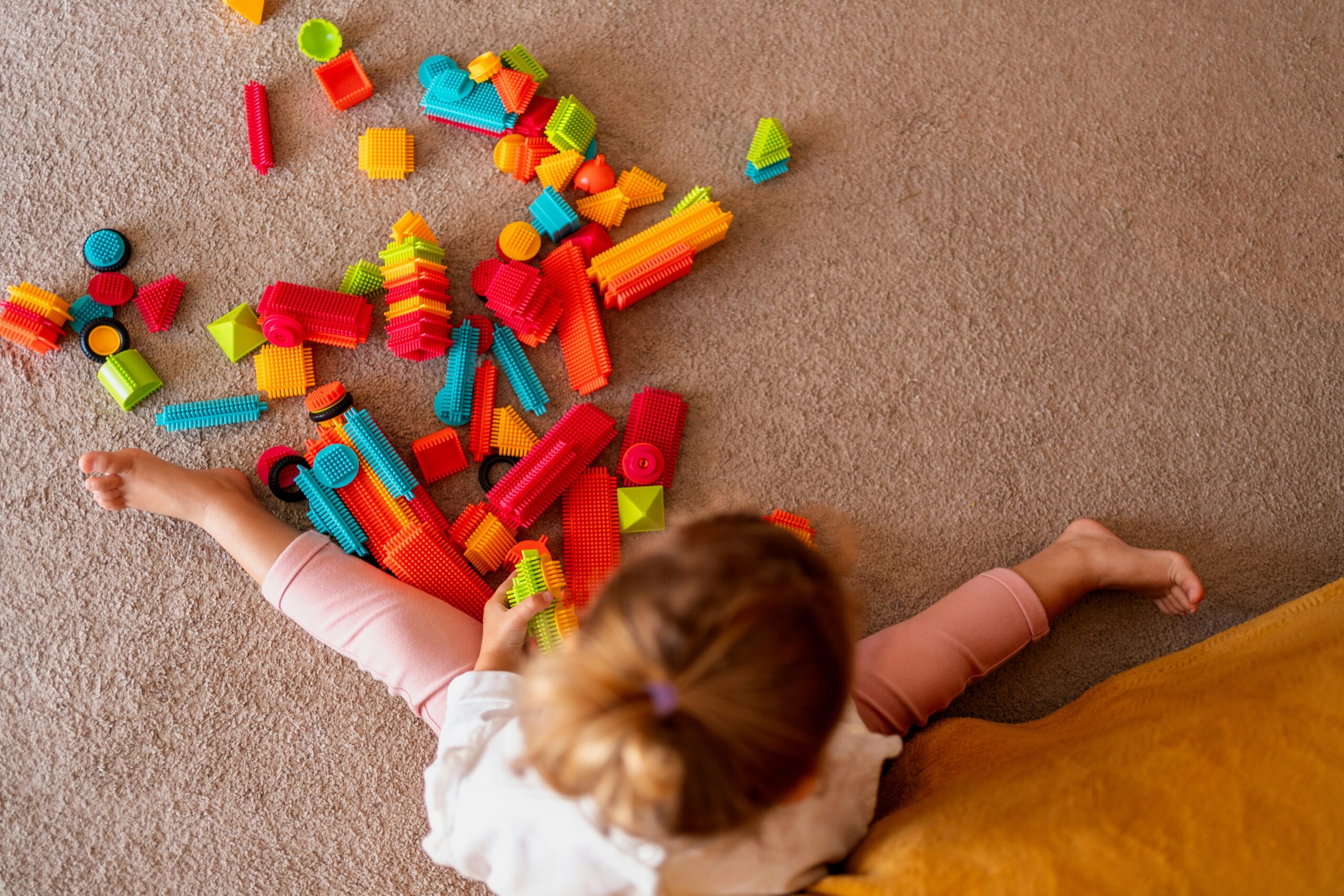


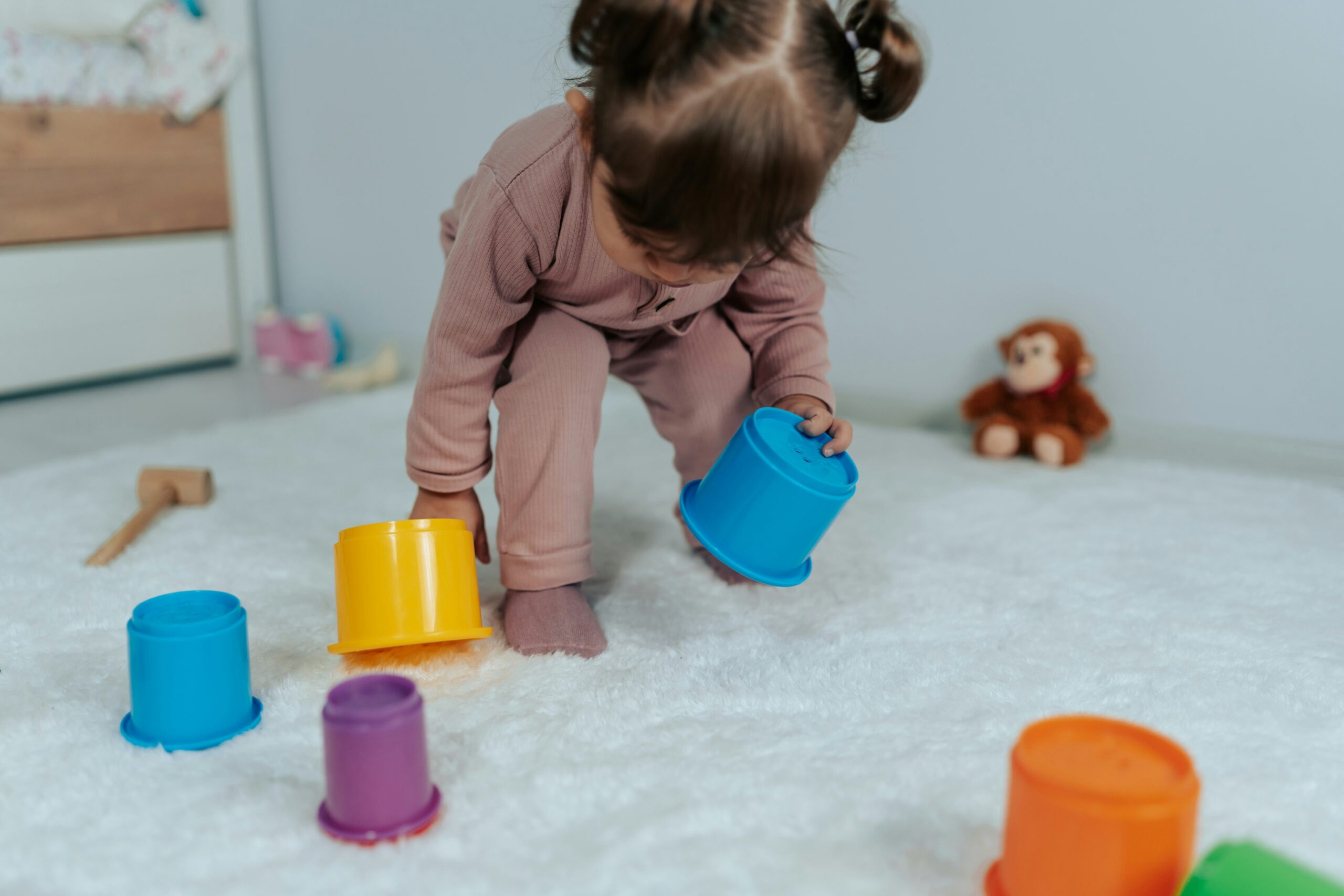
When adults think about children’s playtime, it can sometimes seem like a simple way to keep little ones entertained. However, research consistently shows that play is far more than just fun, it is one of the most important ways children learn, grow, and develop essential life skills. Whether it’s building a tower from blocks, pretending to run a restaurant, playing tag in the park, or creating a masterpiece with crayons, play is the foundation of healthy childhood development.
During play, children’s brains are incredibly active. They are constantly solving problems, making decisions, experimenting, and learning from their surroundings.
Simple activities such as puzzles, building blocks, and imaginative games encourage children to:
● Develop critical thinking skills
● Improve memory and concentration
● Strengthen language and communication abilities
● Enhance creativity and imagination
Studies have shown that children learn best when they are actively engaged and enjoying themselves. Play transforms everyday experiences into valuable learning opportunities.
Play is one of the first ways children learn how to interact with others. Through games and group activities, they practice important social skills that will serve them throughout life.
Children learn how to:
● Share and take turns
● Cooperate with others
● Resolve conflicts
● Express emotions appropriately
● Build friendships
Even simple role-playing games can teach empathy by helping children understand different perspectives and feelings.
Running, jumping, climbing, dancing, and outdoor exploration do more than burn energy, they are essential for physical development.
Active play helps children:
● Improve coordination and balance
● Develop fine and gross motor skills
● Build strength and endurance
● Support healthy growth and fitness
In an increasingly digital world, encouraging active play is more important than ever.
When children engage in pretend play, they create their own worlds and take control of situations. A cardboard box becomes a spaceship, a blanket transforms into a castle, and a stuffed animal becomes a patient at a pretend doctor’s office.
These creative experiences help children:
● Develop self-confidence
● Practice decision-making
● Explore emotions safely
● Strengthen problem-solving abilities
Imaginative play also gives children the freedom to express themselves without fear of making mistakes.
Children experience stress too. School, new environments, family changes, and social challenges can all affect their emotional well-being. Play provides a natural outlet for emotions. It helps children process experiences, release tension, and build resilience. Through play, children often communicate feelings that they may not yet have the words to express.
A child who feels safe, supported, and free to play is more likely to develop strong emotional health and confidence.
A skilled babysitter does much more than watch over children. Great caregivers understand how to create engaging, age-appropriate activities that encourage learning and development through play. At our agency, we believe that every babysitting session is an opportunity for children to explore, create, and grow. Our nannies encourage interactive games, creative projects, outdoor activities, and imaginative adventures tailored to each child’s interests and developmental stage. By turning ordinary moments into playful experiences, babysitters can help children develop valuable skills while having fun.
In today’s busy world, schedules can quickly become filled with school, activities, and screen time. Yet experts agree that unstructured, child-led play remains one of the most valuable investments parents can make in their child’s development.
Every game, every imaginative story, every tower built and rebuilt contributes to a child’s cognitive, social, emotional, and physical growth.
The next time you see a child deeply immersed in play, remember: something extraordinary is happening. They are not simply passing the time. They are building the skills, confidence, and curiosity that will help shape their future.
NON STOP NANNY
We typically replies within minutes
Hello
Can we help you?
Chat with Us
🟢 Online
💬 Need help?