Counting, Sorting, and More: Everyday Math Games for Young Kids
When people think about teaching math, they often imagine worksheets, flashcards, or classroom lessons. But for young children, the most effective math learning happens through play and everyday activities. Long before children learn multiplication tables or solve equations, they begin developing important mathematical skills through counting toys, sorting objects, comparing sizes, and recognizing patterns. These early experiences build the foundation for future success in school and beyond. The good news? Math is everywhere! And it can be fun!
Why Early Math Skills Matter
Research shows that early math skills are strong predictors of later academic achievement. Young children who develop confidence with numbers, patterns, and problem-solving are often better prepared for future learning.
Early math activities help children:
🔸 Develop logical thinking
🔸 Improve problem-solving abilities
🔸 Strengthen memory and concentration
🔸 Build confidence with numbers
🔸 Learn to recognize patterns and relationships
Most importantly, these skills can be developed naturally through games and daily routines.
🔢🍎 Turn Counting into a Daily Adventure
Counting is one of the first mathematical concepts children learn, and opportunities to practice are everywhere.
Try counting:
🔸 Steps while walking upstairs
🔸 Apples at the grocery store
🔸 Toy cars in a basket
🔸 Birds in the park
🔸 Building blocks in a tower
For younger children, simply counting objects aloud together helps create a strong connection between numbers and quantities. For older preschoolers, ask questions such as:
“How many more blocks do we need to make ten?”
These simple conversations introduce early addition and problem-solving skills.
Sorting Teaches Children to Observe and Compare
Sorting activities help children identify similarities and differences while strengthening critical thinking skills.
Encourage children to sort:
🔸 Socks by color
🔸 Toys by size
🔸 Buttons by shape
🔸 Leaves by type
🔸 Crayons by color
You can make sorting even more engaging by asking children to explain their choices. This helps develop both mathematical reasoning and communication skills.
🔵🟡Pattern Play Builds Strong Foundations
Patterns are a key part of mathematics. Recognizing and creating patterns helps children predict outcomes and understand relationships.
Simple pattern activities include:
🔸 Red block, blue block, red block, blue block
🔸 Clap, stomp, clap, stomp
🔸 Spoon, fork, spoon, fork during mealtime setup
Once children understand a pattern, challenge them to continue it or create their own.
These activities may seem simple, but they help prepare children for more advanced mathematical thinking later on.
🍪⚖️ Cooking Is a Math Lesson in Disguise
Many children love helping in the kitchen, and cooking naturally introduces mathematical concepts.
While baking or preparing meals, children can learn about:
🔸 Counting ingredients
🔸 Measuring quantities
🔸 Comparing sizes
🔸 Following sequences
🔸 Understanding fractions
Questions like “Do we need one cup or two cups?” encourage children to think mathematically while participating in a fun family activity.
Building and Construction Games
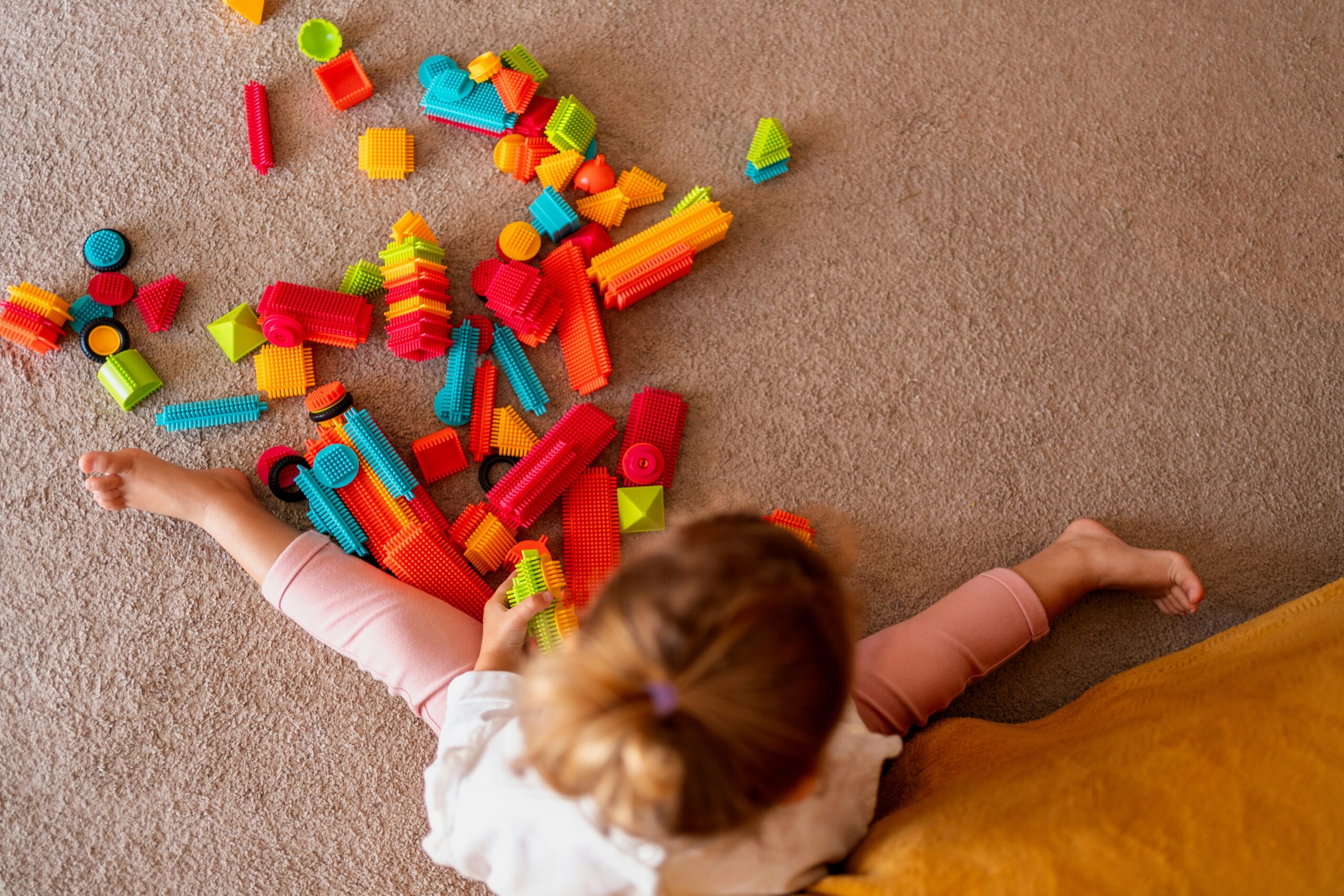
Blocks, magnetic tiles, LEGO® bricks, and other building toys offer excellent opportunities for hands-on math learning.
As children build, they explore:
🔸 Shapes and geometry
🔸 Balance and symmetry
🔸 Measurement
🔸 Spatial awareness
🔸 Problem-solving
Building challenges such as “Can you make a tower taller than this one?” encourage children to compare sizes and think creatively.
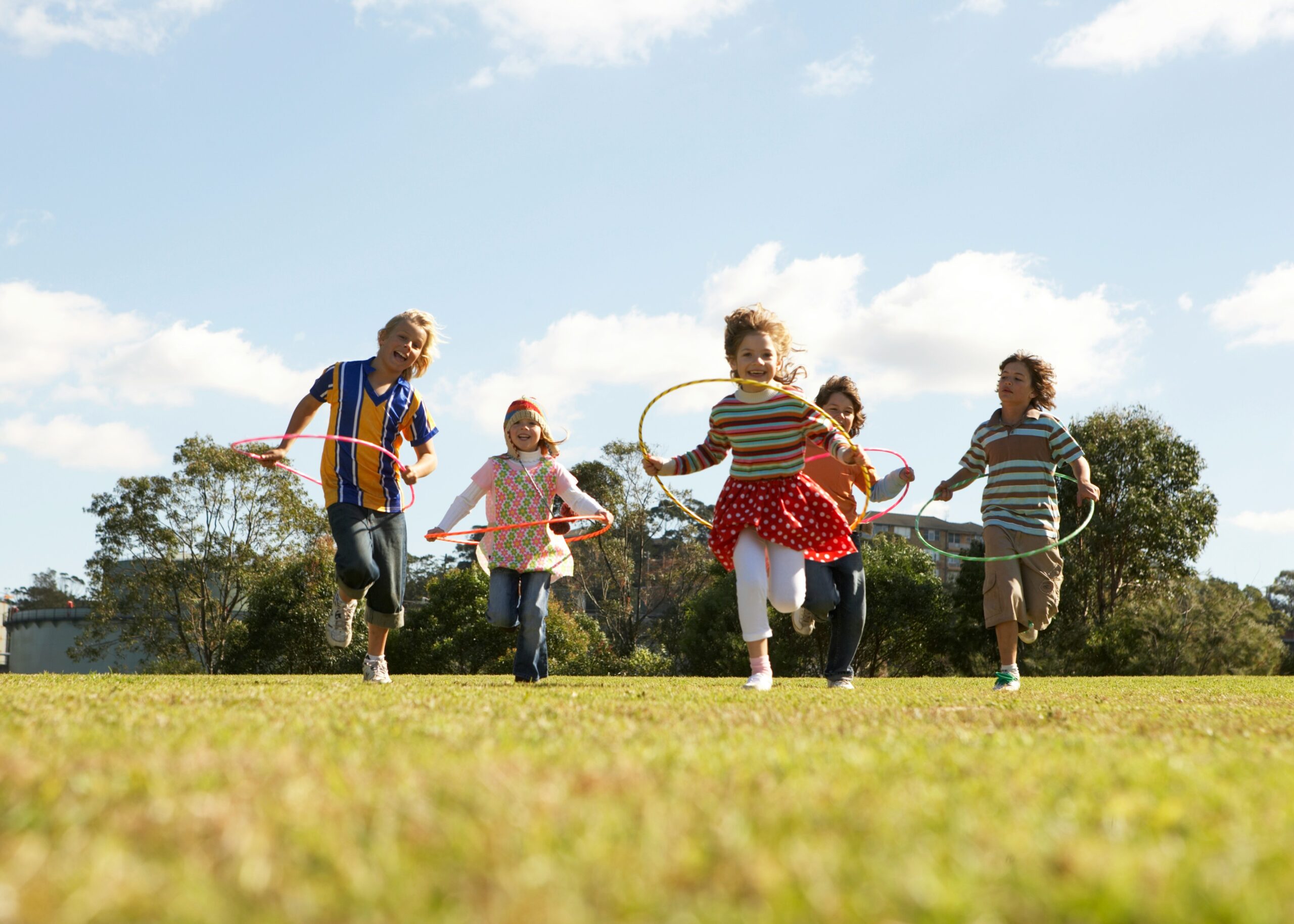
🍃🐞 Math During Outdoor Play
Nature provides endless opportunities for mathematical exploration.
Try activities such as:
🔸 Counting flowers or rocks
🔸 Measuring who can jump the farthest
🔸 Comparing stick lengths
🔸 Creating patterns with leaves and stones
🔸 Collecting and sorting natural objects
Outdoor math games combine movement, exploration, and learning in a way that feels completely natural to children.
📚🤝 The Role of Babysitters in Early Learning
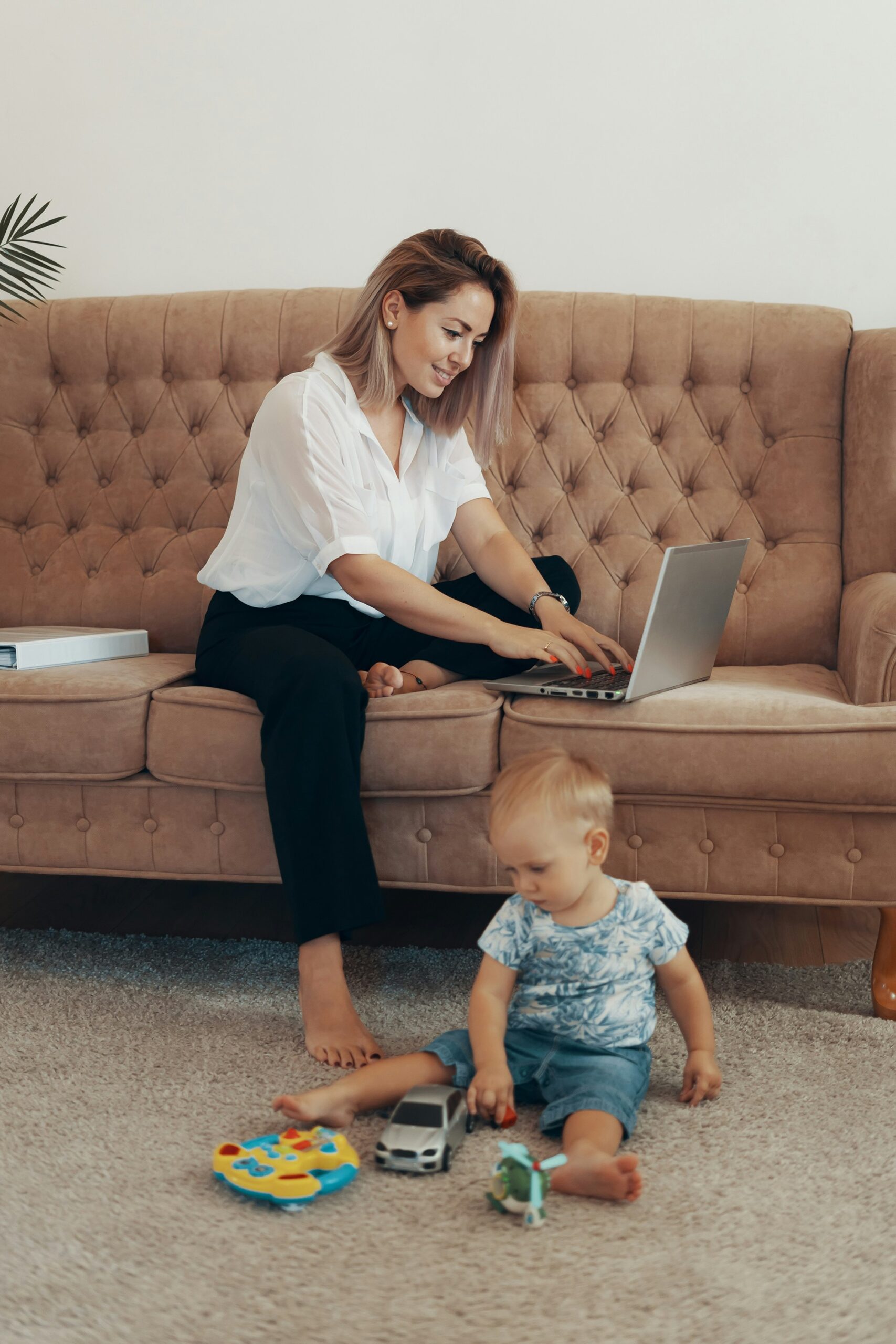
Professional babysitters can play an important role in supporting children’s early mathematical development. At our agency, caregivers incorporate age-appropriate learning opportunities into everyday play. Whether counting toy animals, sorting craft materials, building block towers, or exploring patterns during art activities, our babysitters help children develop essential skills while having fun. Several of them are qualified pedagogues or are currently pursuing studies in education, equipping them with the expertise to foster children’s cognitive development through play-based learning experiences. Their focus is always on making learning engaging, natural, and enjoyable for children.
Making Math Fun, Not Frustrating
One of the best ways to support early math development is to keep activities enjoyable and pressure-free. Children learn best when they are engaged, curious, and having fun. A simple counting game during snack time or a sorting activity during cleanup can be far more effective than formal instruction for young learners. By incorporating math into everyday routines, parents and caregivers help children discover that numbers, patterns, and problem-solving are part of the world around them.
Latest Blog Articles: