



As parents, we often hear the term “sensory play,” but what does it actually mean, and why do child development experts recommend it so often?
The good news is that sensory play doesn’t require expensive toys or complicated activities. Many of the best sensory experiences can be created at home using everyday household items. More importantly, these simple activities help children develop essential skills while having fun.
Sensory play refers to any activity that stimulates a child’s senses:
From squishing play dough to splashing in water or exploring different textures, sensory play encourages children to investigate the world around them through hands-on experiences.
Children learn best by actively exploring their environment. Sensory play supports multiple areas of development at the same time.
Every new texture, sound, smell, or movement helps strengthen neural connections in a child’s developing brain. These experiences build the foundation for future learning.
Activities like pouring rice, picking up small objects with tweezers, threading beads, or moulding clay strengthen the small muscles in children’s hands and fingers, preparing them for writing and other everyday tasks.
Children naturally experiment during sensory play:
These simple discoveries help develop curiosity, observation skills, and early scientific thinking.
Sensory activities introduce new vocabulary such as:
Talking about textures, colours, shapes, and sensations naturally expands a child’s language skills.
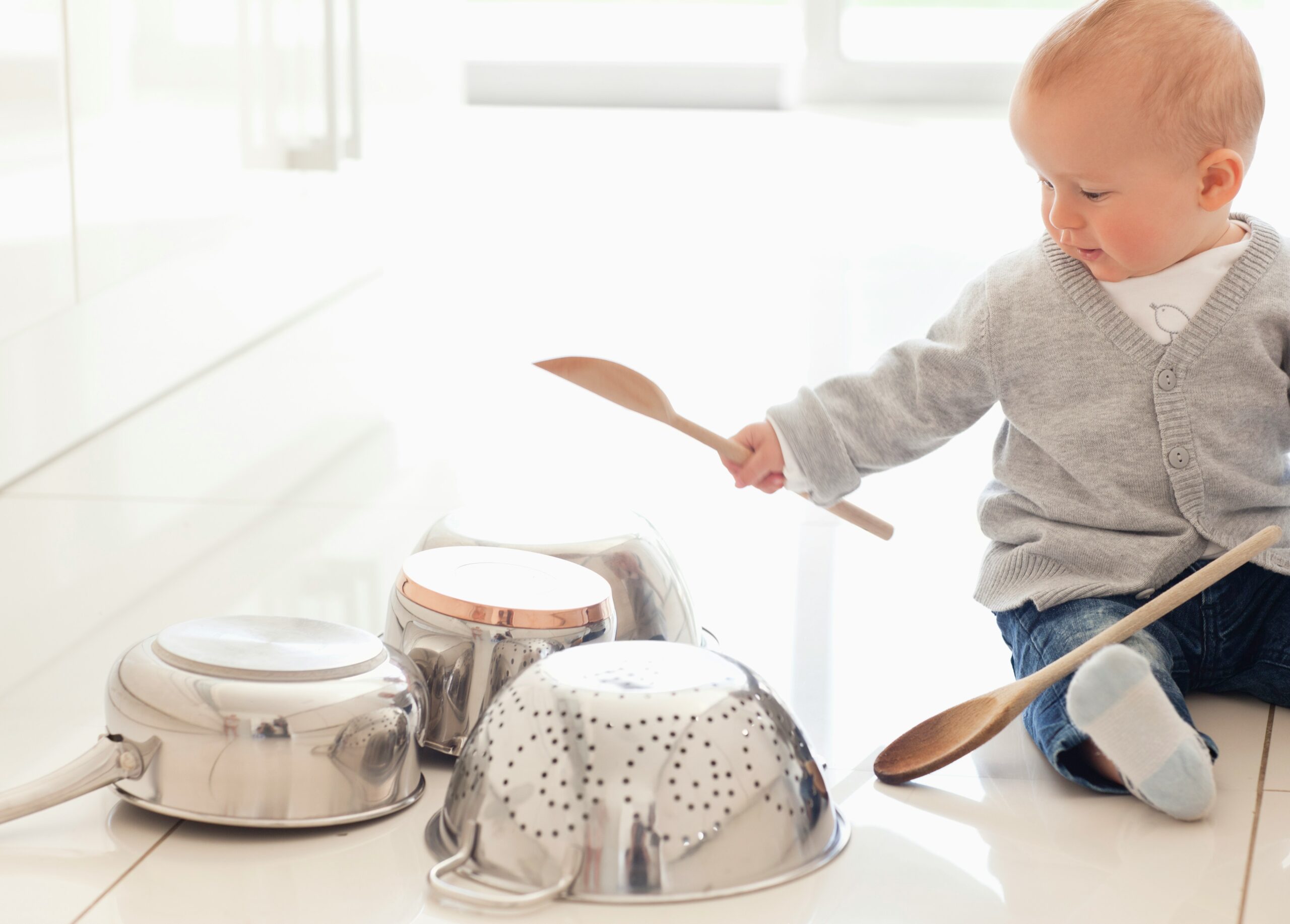
Sensory play can also be wonderfully calming. Activities such as kinetic sand, water play, sensory bins, or finger painting often help children relax, focus, and process emotions in a positive way.
You don’t need a dedicated playroom to create engaging sensory experiences.
Fill a container with:
Add scoops, cups, toy animals, or letters for endless exploration.
A simple bowl of water can become hours of entertainment.
Try adding:
Children learn about pouring, volume, floating, and cause and effect while developing coordination.
Messy play is often where the biggest learning happens.
Ideas include:
Remember: the process is much more important than the final result.
Go outdoors and encourage children to explore:
Ask simple questions like:
Freeze small toys inside ice cubes or larger ice blocks.
Children can use warm water, spray bottles, spoons, or pipettes to “rescue” the hidden treasures while learning about melting and temperature.
6–12 Months
1–3 Years
3–5 Years
Always supervise young children closely, especially when activities involve small objects.
✔ Follow your child’s interests.
✔ Allow children to explore freely instead of directing every activity.
✔ Dress children in clothes that can get messy.
✔ Keep activities short for younger children.
✔ Focus on the experience rather than creating something “perfect.”
Sensory play doesn’t have to be reserved for nurseries or preschools. With a little creativity, it can become a natural part of everyday childcare, helping children learn, explore, and build confidence through play.
At Non Stop Nanny Babysitting, our experienced babysitters regularly incorporate age-appropriate sensory activities into their time with children. From creative crafts and water play to nature exploration and hands-on learning, they create engaging experiences that support children’s development while making every day fun and memorable.
Whether you’re looking for occasional babysitting or regular childcare, our nannies are happy to adapt activities to your child’s age, interests, and developmental stage, ensuring every play session is both enjoyable and enriching.
NON STOP NANNY
We typically replies within minutes
Hello
Can we help you?
Chat with Us
🟢 Online
💬 Need help?