



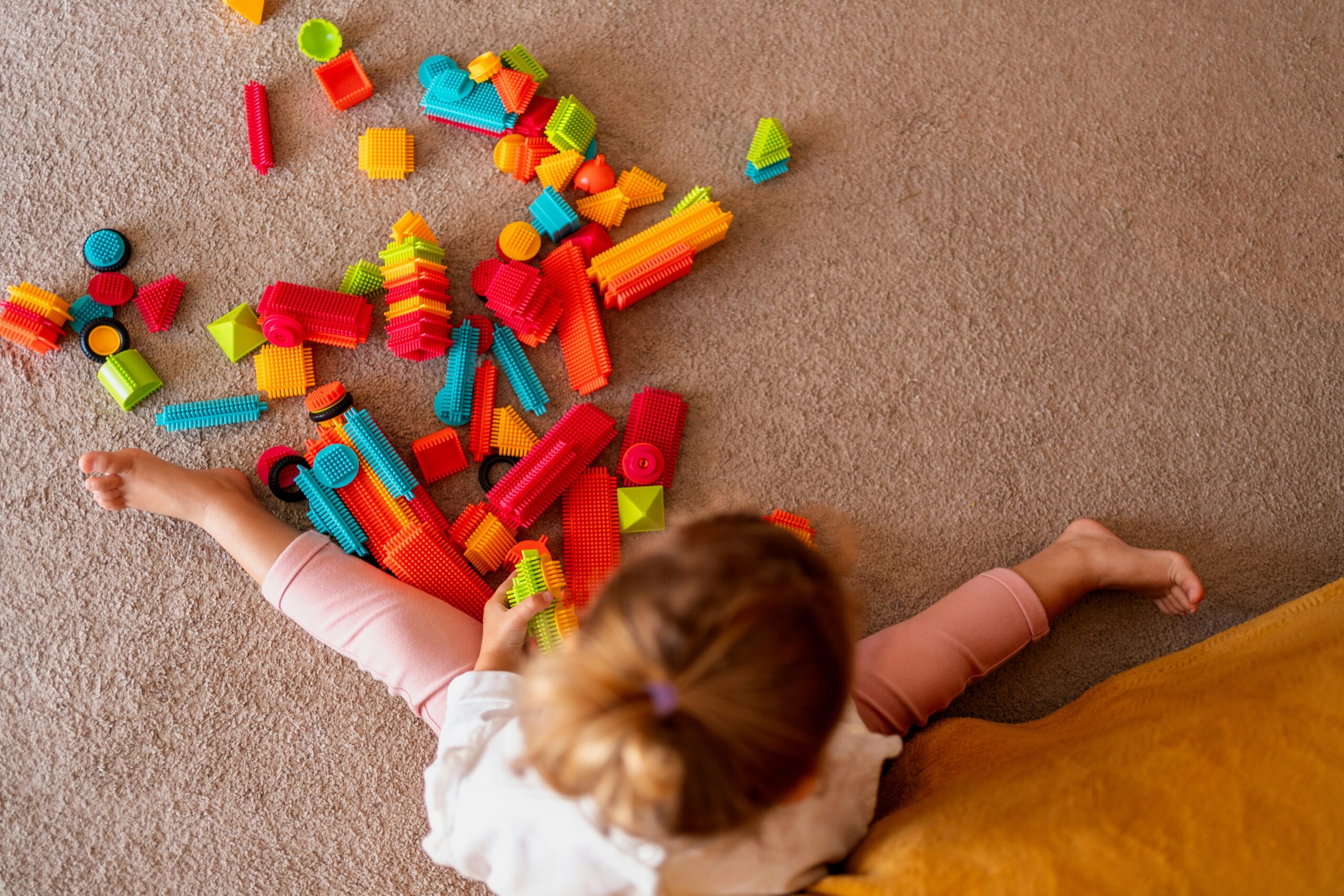


There is a quiet magic in watching a child say, “I can do it myself.” Independence doesn’t appear overnight. It grows slowly — in the small hands that carry napkins to the table, in the careful folding of pajamas, in the pride of feeding a family pet. When we invite children into real responsibilities, we aren’t just keeping the house running. We are building confidence, competence, and character. Here’s how to nurture independence through age-appropriate chores gently, realistically, and with joy.
Chores teach far more than tidiness.
They build:
Research consistently shows that children who contribute to the household develop stronger problem-solving skills and a deeper sense of belonging. When children feel needed, they feel valued.
At this stage, children crave imitation. They want to do what you do, even if it takes three times longer.
Possible responsibilities:
✨ Tip: Focus on participation, not perfection. A crooked stack of books is still a success.
Preschoolers love responsibility, especially when it feels “official.”
Possible responsibilities:
✨ Tip: Use visual charts with pictures instead of words. Routine builds security.
At this age, children can handle multi-step tasks and begin understanding teamwork.
Possible responsibilities:
✨ Tip: Introduce the idea of community contribution: “In our family, everyone helps.”
Older children are ready for meaningful responsibility and often appreciate the trust.
Possible responsibilities:
✨ Tip: Allow natural consequences. If laundry isn’t done, favorite clothes may not be clean. Learning happens here.
Teen years are the training ground for adulthood.
Possible responsibilities:
✨ Tip: Shift from instructing to mentoring. Ask, “What’s your plan?” instead of giving directives.
One of the biggest mistakes families make is assigning chores only when something goes wrong. When chores are framed as punishment, they lose their developmental value.
Instead:
A simple, “Thank you for helping — that made a difference,” goes a long way.
Families approach this differently:
There’s no single correct answer — consistency matters more than the system.
Resistance is normal. Independence develops unevenly.
If chores become a battle:
Independence grows in an environment of steady expectations and emotional safety.
One day, the toy bins will be empty, the shoes will be tied without help, and the kitchen will be cleaned by hands that once needed yours for everything.
The goal isn’t perfection.
The goal is raising capable, confident humans who know:
Independence begins with small responsibilities and grows into lifelong strength.
NON STOP NANNY
We typically replies within minutes
Hello
Can we help you?
Chat with Us
🟢 Online
💬 Need help?